When Linen Becomes a Creative Territory: Hugo Lucchino - Director-General of villa Noailles
As head of villa Noailles, Hugo Lucchino discusses the role of the Hyères Festival and Design Parade in supporting emerging talent, and explains why natural materials such as European flax and hemp are becoming essential tools for today’s young designers.
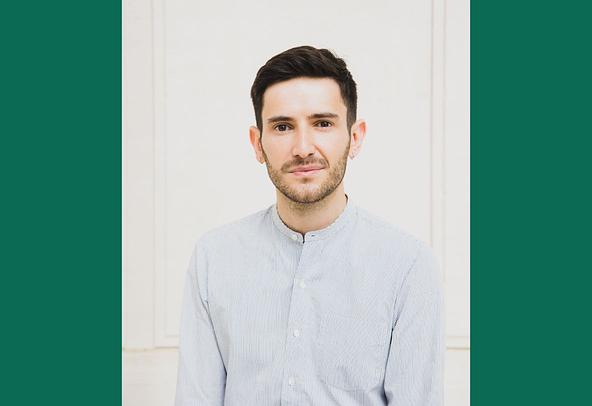
Recently appointed Director-General of villa Noailles, Hugo Lucchino promotes a forward-looking vision of contemporary creation, where innovation, heritage and environmental responsibility intersect. Through the Hyères Festival and Design Parade, he supports a new generation of fashion and design talents while encouraging them to explore the creative and sustainable potential of European flax and hemp.
Could you introduce yourself and tell us about your role within Design Parade and the Hyères Festival of Fashion?
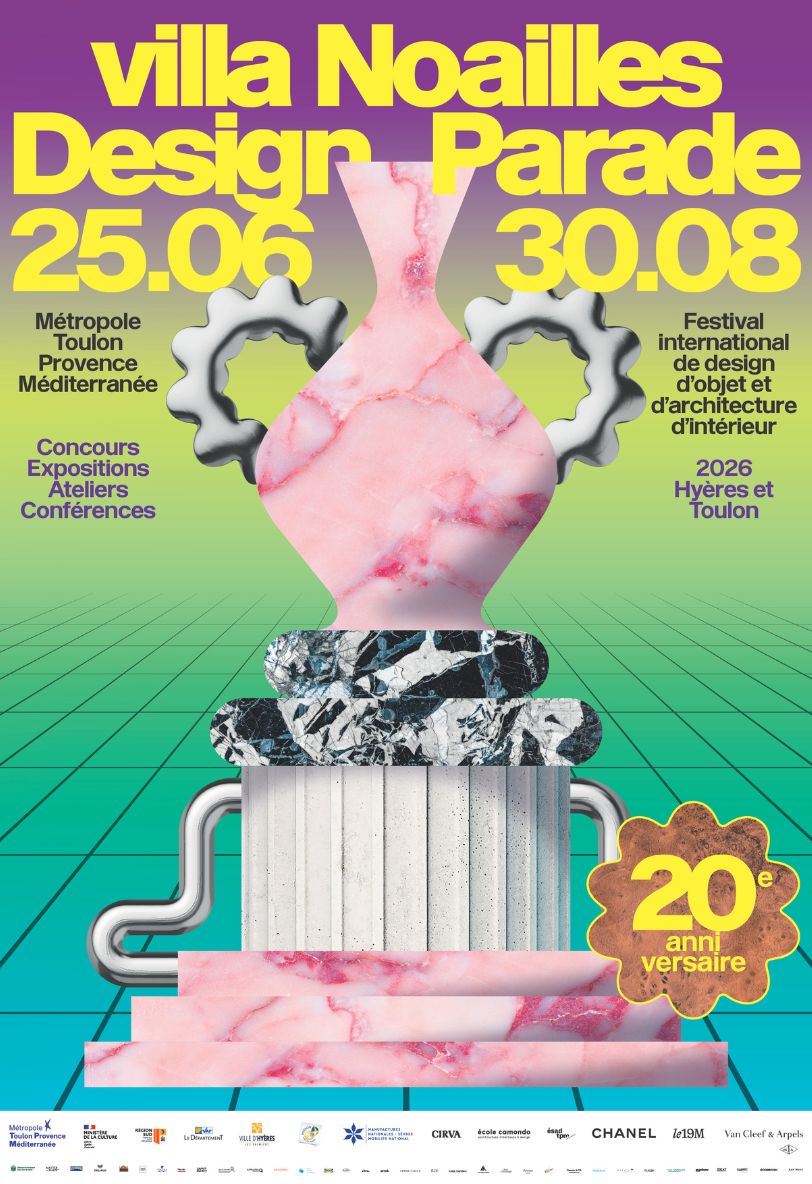
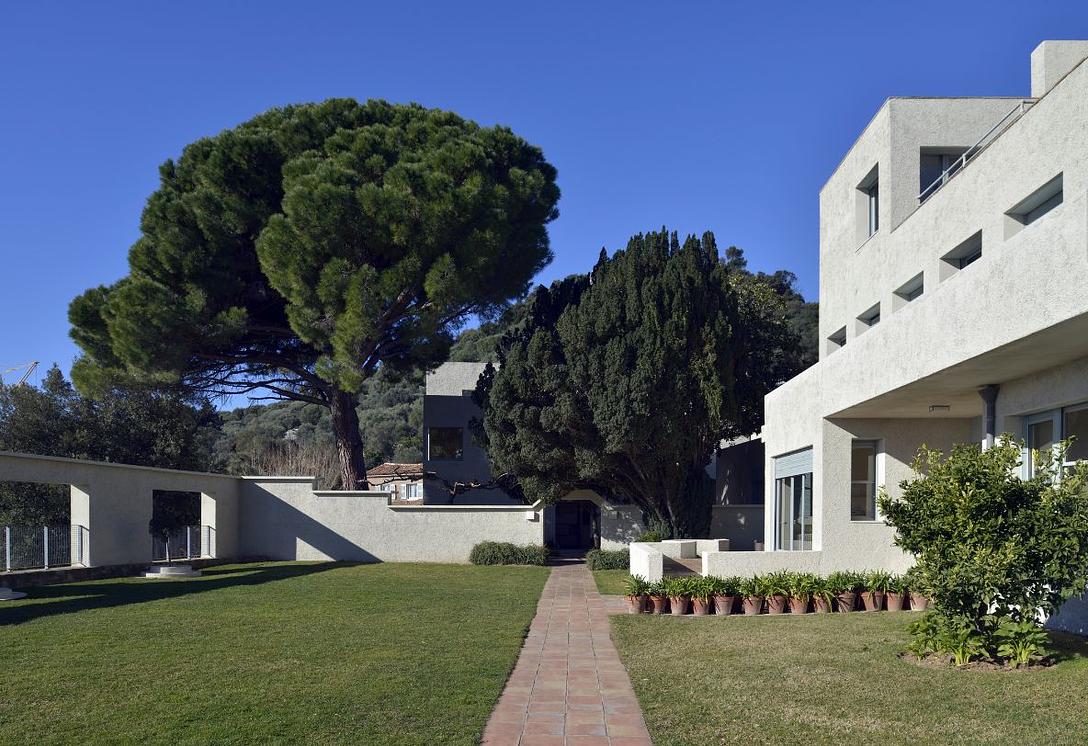
Hugo Lucchino : I am Director General of villa Noailles, a nationally recognised contemporary art centre in Hyères, for the past few months. Villa Noailles is behind two major events dedicated to emerging creative talent: Design Parade, which each year brings together finalists in object design and interior architecture, and the Hyères Festival, recognised as the world’s oldest fashion competition for young professionals. My role is to uphold the vision of villa Noailles and these two platforms, ensure their development, and sustain the partnerships that make it possible to provide tangible support to the selected talents.
What are the objectives of your collaboration with the Alliance? How does it take shape in practice? And what does it bring both to Design Parade finalists and to the designers taking part in the Hyères Festival?
Our collaboration with the Alliance for European Flax-Linen & Hemp is based on a shared conviction: supporting young designers not only in their artistic thinking but also in their technical development, particularly in their relationship with materials.
In practical terms, the Alliance provides finalists in the Fashion Competition and the Accessories Competition with donations of European flax and hemp fabrics sourced from the collections of its producer members. This allows them to work freely with these materials when creating their competition looks. For many of them, it is their first encounter with these natural fibres, a discovery that can have a lasting influence on their creative practice.
How does this partnership fit within a broader reflection on sustainability in fashion and design?
Villa Noailles has always believed that supporting emerging talent also means helping to shape the fashion and design of tomorrow. In this respect, the question of materials is central. European flax and hemp embody an outstanding sector that is local, traceable and has a low environmental impact. By introducing these materials into the creative process of our finalists, we are not simply making a symbolic gesture: we are encouraging them to integrate sustainability as a natural component of their approach, just like form or colour. It is a way of preparing a generation of designers to create differently.
Have you noticed growing interest in flax among young designers? Do you see different approaches depending on whether finalists come from design or fashion backgrounds? If so, in what ways?
Yes, the interest is genuine and growing. What is striking is that flax is no longer perceived as a constraint or a default choice — it has become a desirable material, one that carries meaning.
Fashion finalists are often drawn to its sensory qualities: its drape, texture and the way it ages and improves with wear. Design and accessories finalists, meanwhile, tend to explore its technical properties more deeply, its strength, lightness and potential in composites or three-dimensional forms. In both cases, we see genuine curiosity and a willingness to push beyond what we think we know about this fibre.
You have also worked with the Palais Galliera in Paris. How has this experience shaped your perspective, particularly when it comes to showcasing textile expertise?
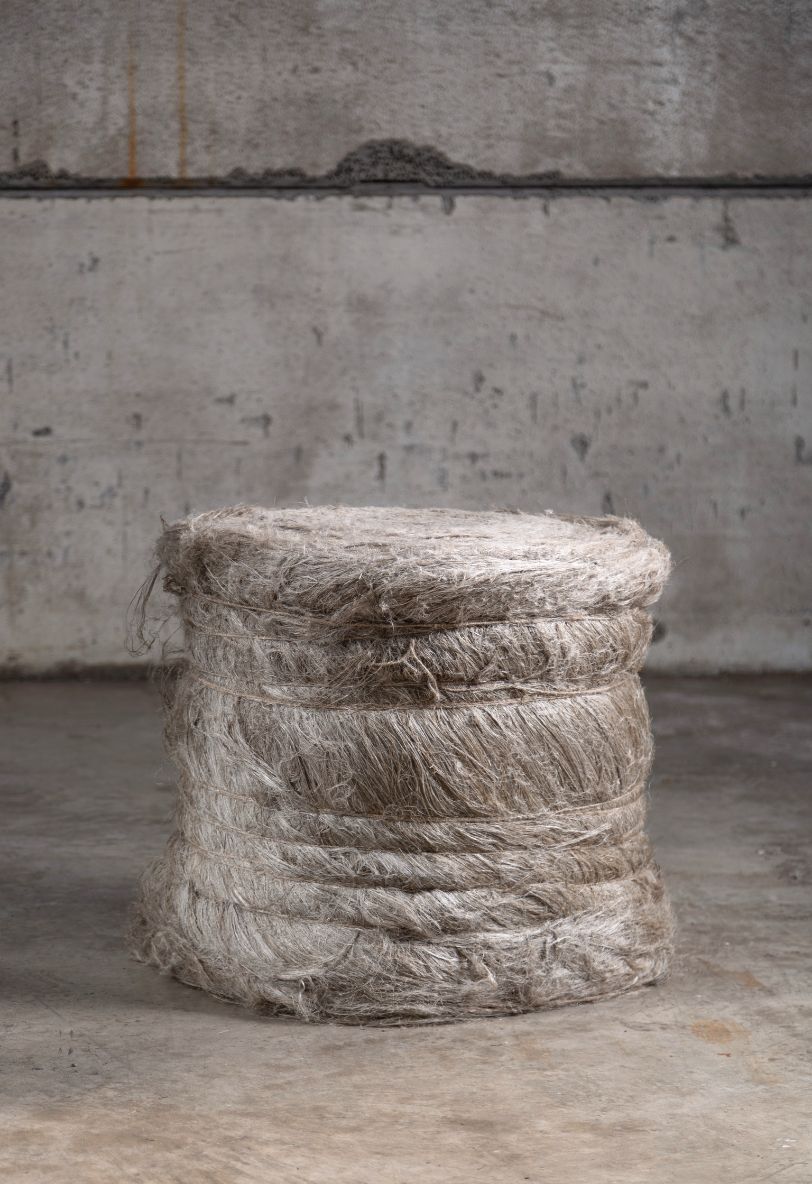
Working for the Palais Galliera, the Fashion Museum of the City of Paris, reinforced my belief that fashion is a discipline best understood over time, through the history of materials, craftsmanship and techniques. Being immersed in museum collections and expertise sharpens one’s understanding of what gives a textile its value: its history, its territory of origin and the people involved throughout its production chain. This resonates directly with what the Alliance, also a partner of the Palais Galliera, represents for European flax: a sector that is both historic and vibrant, sustained by exceptional artisanal and industrial expertise for centuries, as evidenced by some of the museum’s seventeenth-century archival pieces. This is the depth we seek to pass on to our finalists.
In your view, what role can cultural institutions and events such as the Hyères Festival play in encouraging the adoption of natural materials such as flax?
Cultural institutions have a unique role as tastemakers, precisely because they are not driven by commercial objectives. When the Hyères Festival highlights a material, it does so through the lens of pure creativity and experimentation. This gives flax a creative legitimacy that complements its environmental legitimacy. We can create opportunities for dialogue between young talents seeking meaning and sectors that have stories and expertise to share. It is a role as a bridge-builder that we fully embrace.
What message would you like to share with young designers who are discovering the creative potential of flax and hemp today?
I would say: do not stop at first impressions. Flax can surprise, challenge and evolve, and that is precisely where its richness lies. It is a material with memory, carrying a geography, a culture and an ecosystem. Working with it means entering into dialogue with all of these dimensions. At a time when fashion is seeking profound reinvention, designers who can weave together heritage and innovation will have much to say. Flax is not a trend: it is a creative territory in its own right.
Hugo Lucchino portrait © Louis Teran
Revoir les contenus Festival de la mode et Design Parade
-
© Boris Cojean Read moreJune 04, 2026- Home
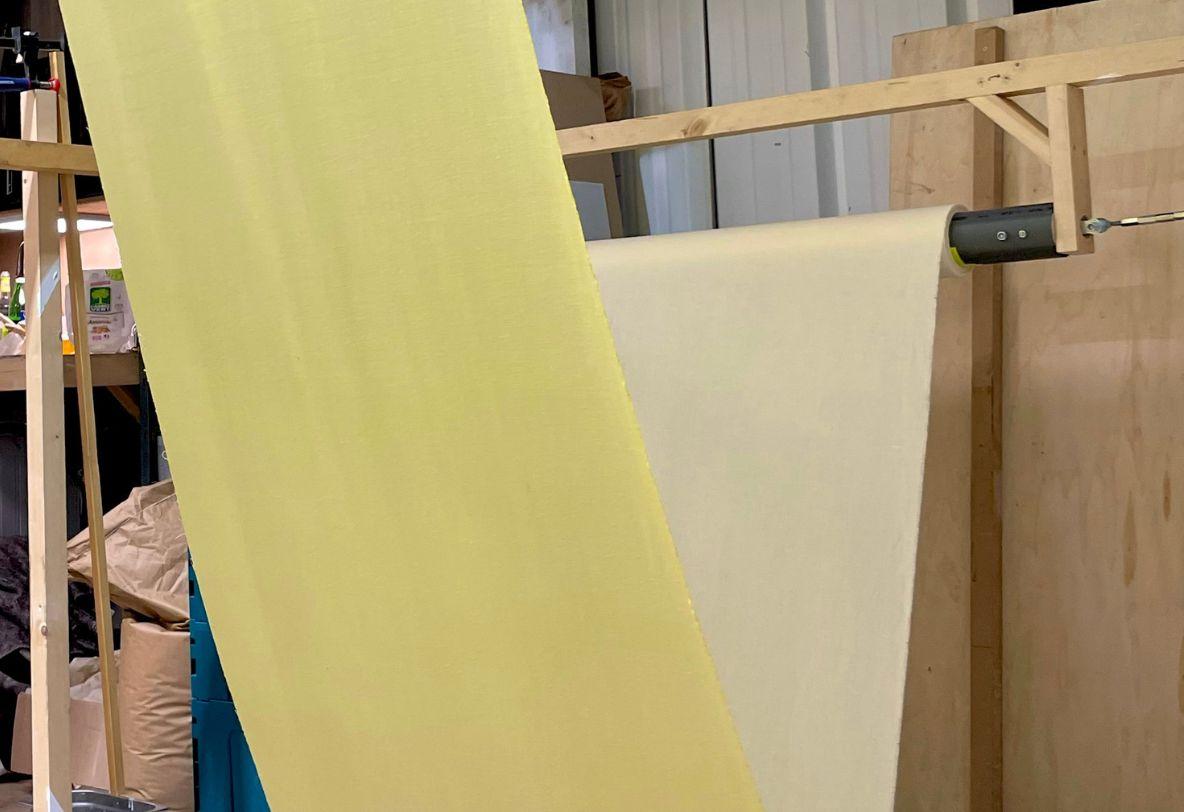
Design Parade 2026: Six Finalists Champion the Creativity of European Flax-Linen in Their Projects
-
 Read moreOctober 24, 2024
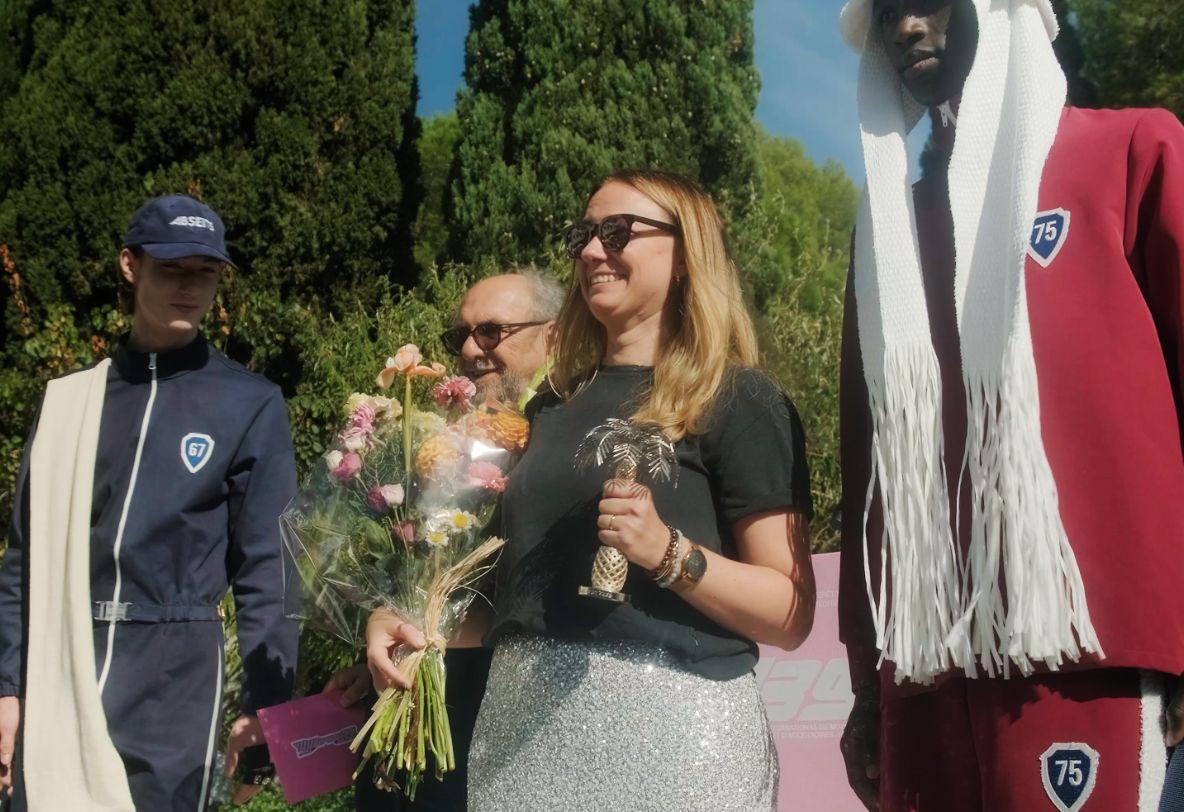
Gaëlle Lang Halloo won over the public at the Hyères Festival 2024 with Flax-Linen
-
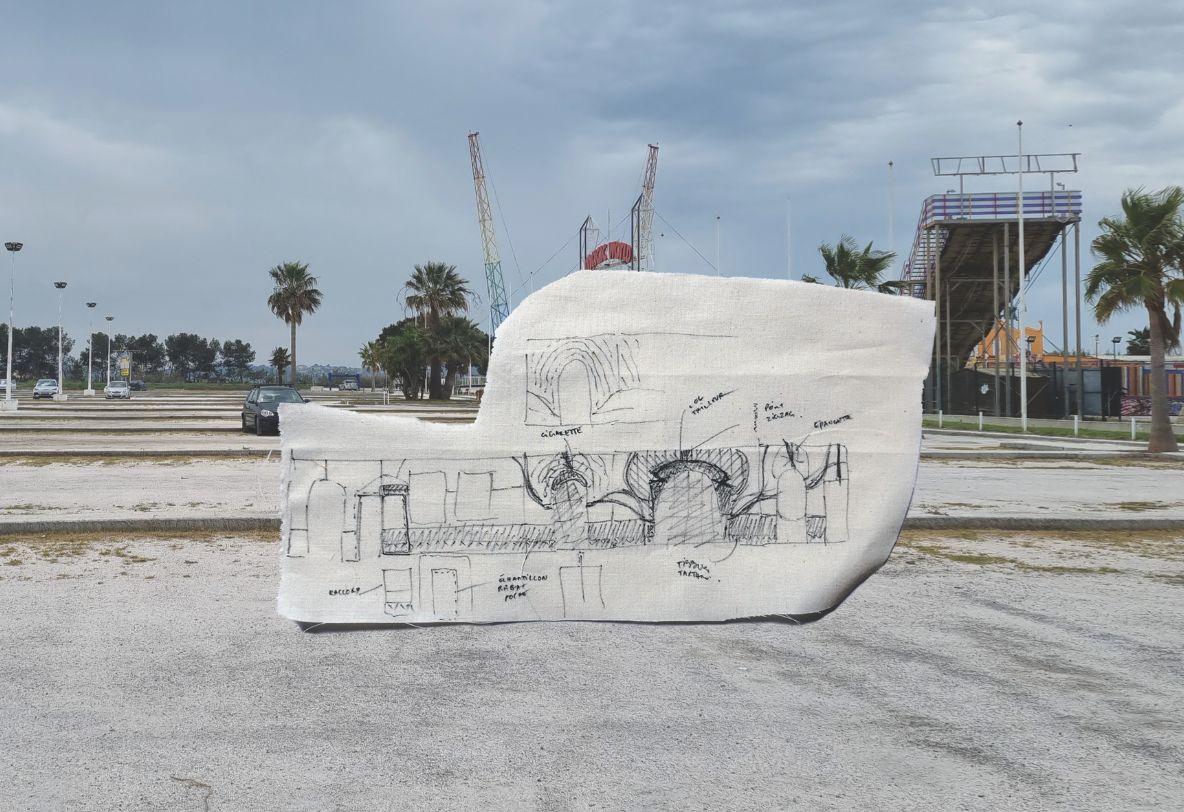
© Ania Martchenko - Antonin Simon Giraudet Read moreSeptember 02, 2025Design Parade 2025 : 7 Projects Reinventing European Flax-Linen