Rendez-Vous de la Matière 2026: European Flax-Linen and Hemp as Materials for Innovation and Creativity
October 07, 2026
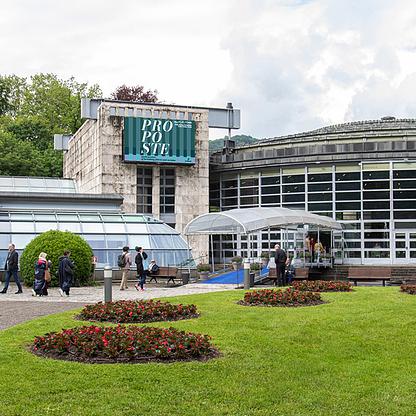
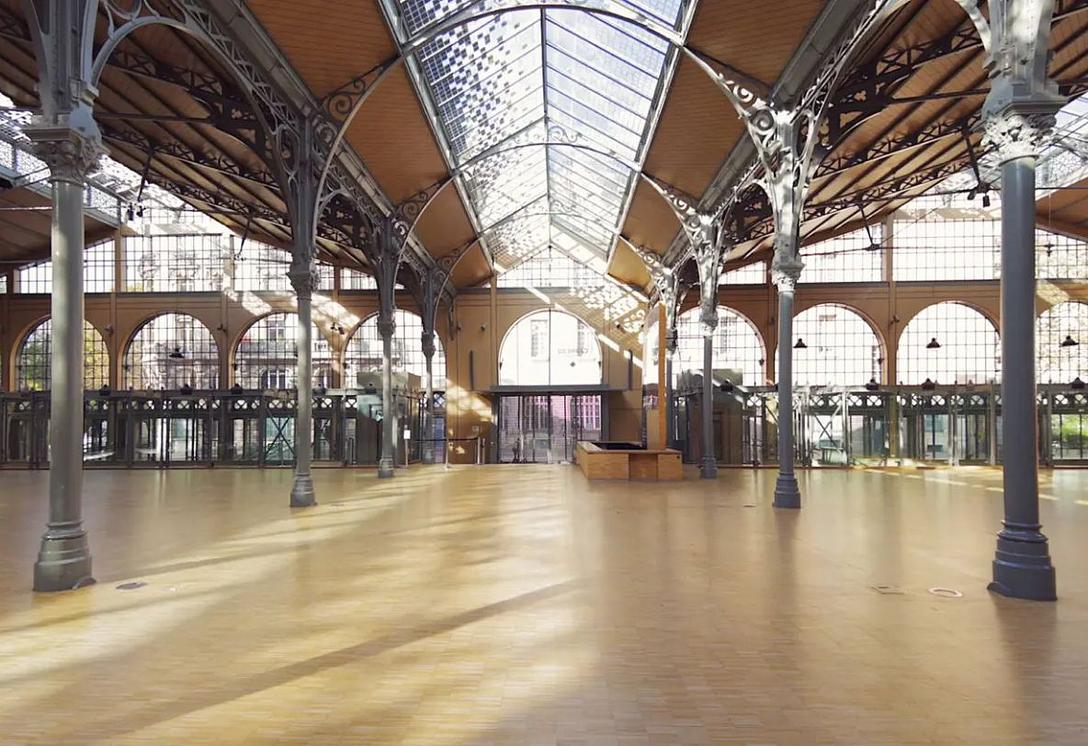
On 8 and 9 October 2026, at the Carreau du Temple in Paris, the Alliance will showcase a selection of European Flax-Linen and Hemp innovations for architecture, design and interior spaces.
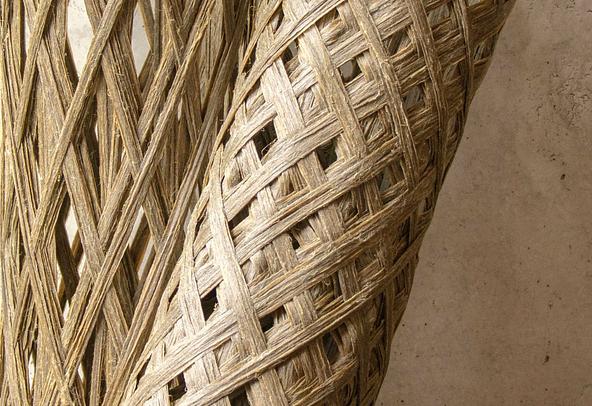
At Rendez-Vous de la Matière, the Alliance will highlight technical innovations and creative developments created by its members.
Upholstery fabrics, surfaces, furniture, objects, composite materials and technical solutions all reflect the same trend: plant-based fibres are moving well beyond their traditional textile applications.
European Flax-Linen and Hemp are thus opening up new possibilities at the intersection of technical performance, aesthetics and eco-design.
Belgian manufacturers in the spotlight at this year’s event
Belgian manufacturers in the spotlight at this year’s event
Through a selection of fabrics from two Belgian manufacturers, alongside composite reinforcements from a young start-up, the European Flax and Hemp Alliance showcases Belgium’s centuries-old expertise in European flax, as well as the latest innovations in design and industry.
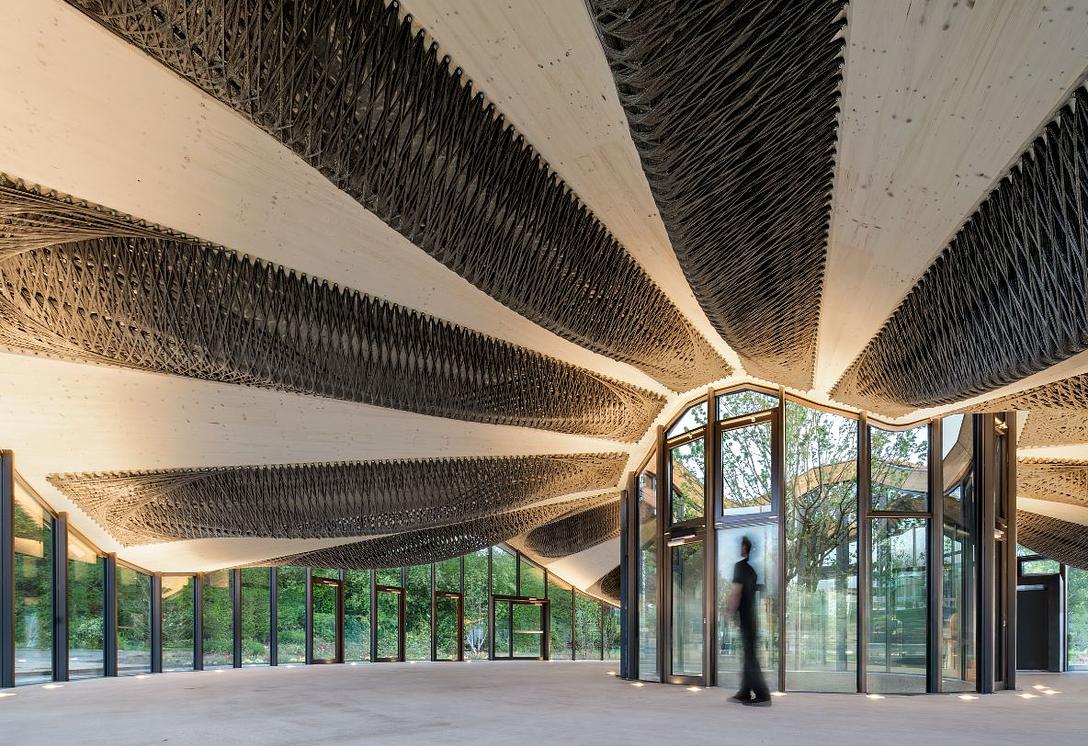 University of Stuttgart
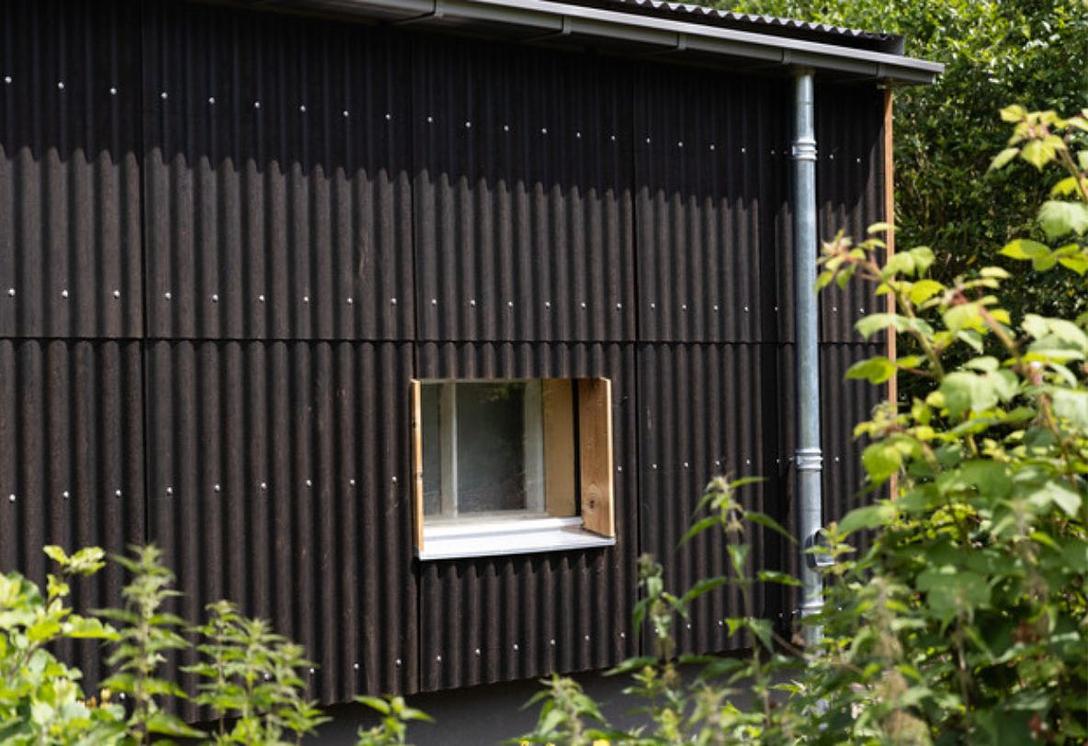 Margent Farm
The Alliance is honouring:
- Designs of the Time: A Belgian manufacturer of interior fabrics, intended for both upholstery and decoration, offering a varied range of European linen fabrics, produced using authentic traditional techniques.
- Wind: Founded in 1954, Wind has become an international benchmark in high-end textile creation and design.
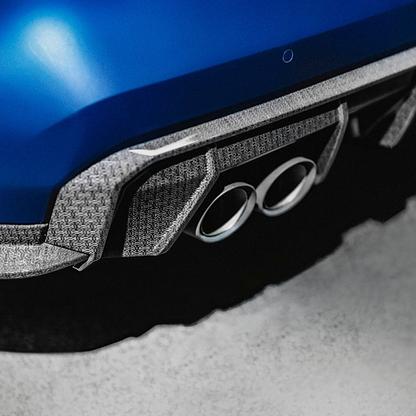
- Biofibix: A start-up from the University of Leuven, Biofibix produces Hypermat, a European linen non-woven fabric that enables the development of high-performance composites (automotive, marine, design, architecture).
European Flax-Linen and Hemp become part of design language
Millennia-old fibres, European Flax-Linen and Hemp are now at the heart of a new generation of innovations. Textiles remain a privileged field of creative expression, while advances in composite materials are opening up new applications in furniture, object design, lighting, interior architecture and interior design.
These new applications are also changing the way we look at the material itself. In composites, natural fibres are no longer valued solely for their performance or environmental characteristics. Their textures, weaves, shades and visual presence are becoming integral elements of the design.
Linen textiles: a new creative approach for the home
Textile collections demonstrate the ability of European Flax-Linen to evolve and respond to changing trends in contemporary interiors. Upholstery fabrics, curtains, sheers, household linen and wallcoverings explore textures, colours, reliefs and material combinations, while highlighting the fibre’s sensory and aesthetic qualities.
In the home, linen is no longer limited to a purely functional role: it is becoming an integral part of the identity of interior spaces.
Linen: a driving force for innovation in design and architecture
Beyond textiles and upholstery, European Flax-Linen is establishing itself as a material for design, architecture and spatial applications. Advances in composites are making it possible to create solutions that combine lightness, strength and freedom of form.
The technical aspect is only one part of the creative process. The natural nuances of Flax-Linen, its textures and the variety of its weaves are becoming creative elements in their own right, enabling designers and architects to incorporate the material into the visual language of their projects.
European Flax-Linen, from textile to design material
- SELUX: Flax-Linen composite enters urban lighting
German manufacturer SELUX is exploring new applications for natural fibres through outdoor lighting furniture whose structural body is made from Flax-Linen composite. Developed with Terre de Lin Technique, Chomarat and Groupe Pierman, the project combines textile and technical Flax-Linen reinforcements, including rovings, to create a lightweight and strong structure.
- FIBRAS: new possibilities for architectural forms
At Eindhoven University of Technology in the Netherlands, the FIBRAS research project, led by Professor Marta Gil Pérez, explores the possibilities offered by the robotic winding of European Flax-Linen tapes and impregnated with bio-based resins. Produced without a mould, these three-dimensional structures make it possible to create complex geometries while optimising the amount of material used and reducing manufacturing waste.
- Circular Structures: composite panels for interior applications
The bio-based sandwich panels developed by Circular Structures also illustrate the diversification of Flax-Linen applications. Customisable, they combine different facings with an internal structure tailored to the aesthetic, technical and functional requirements of each project.
Lightweight and strong, they were initially developed for demanding sectors such as marine and mobility applications, before opening up new possibilities for design, interiors and interior architecture.
- Bcomp: when performance becomes a medium for expression
With its technical textiles made from ampliTex™Flax-Linen fibres, Swiss company Bcomp demonstrates how composites can also become a genuine medium for creative expression. Colours, weaves, patterns and textures allow the fibre to remain visible and play an integral role in the design of the finished pieces.
In a very different way, French house Chapoget has selected ampliTex™ for its Cabin Trunk, a contemporary reinterpretation of the traditional travel trunk.
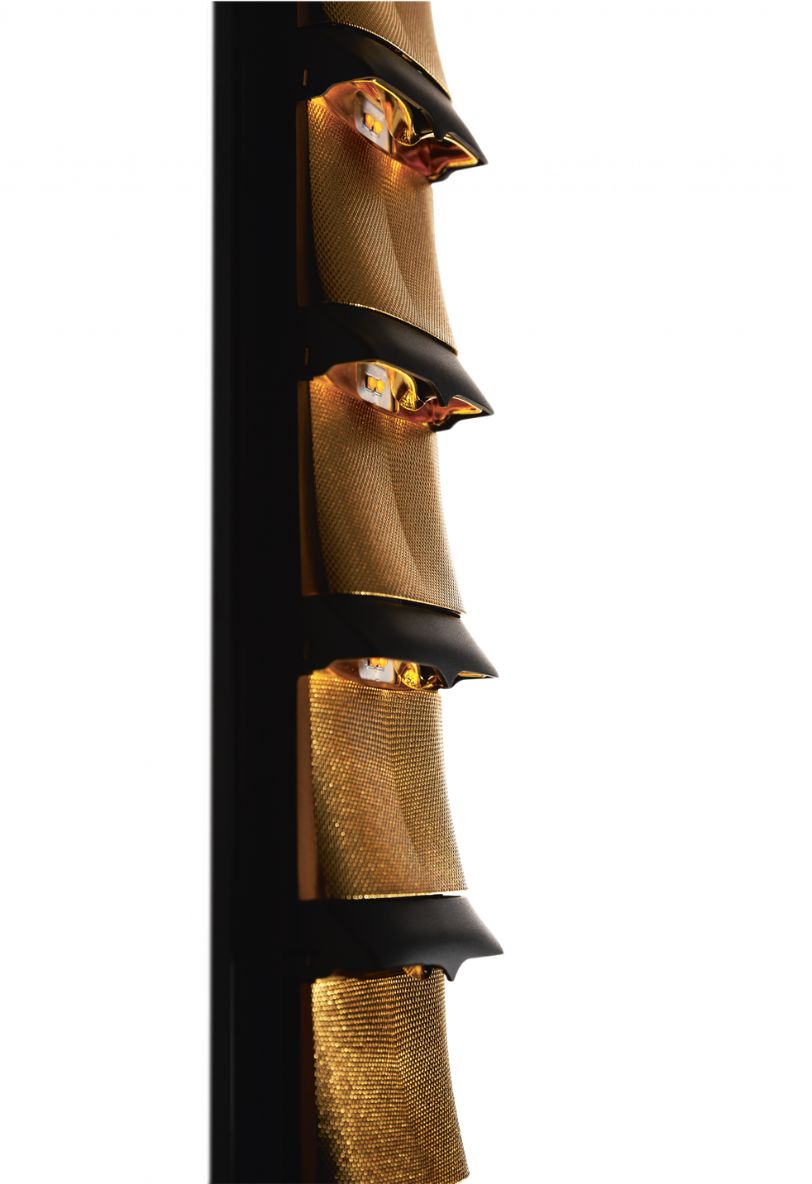 Selux
Selux
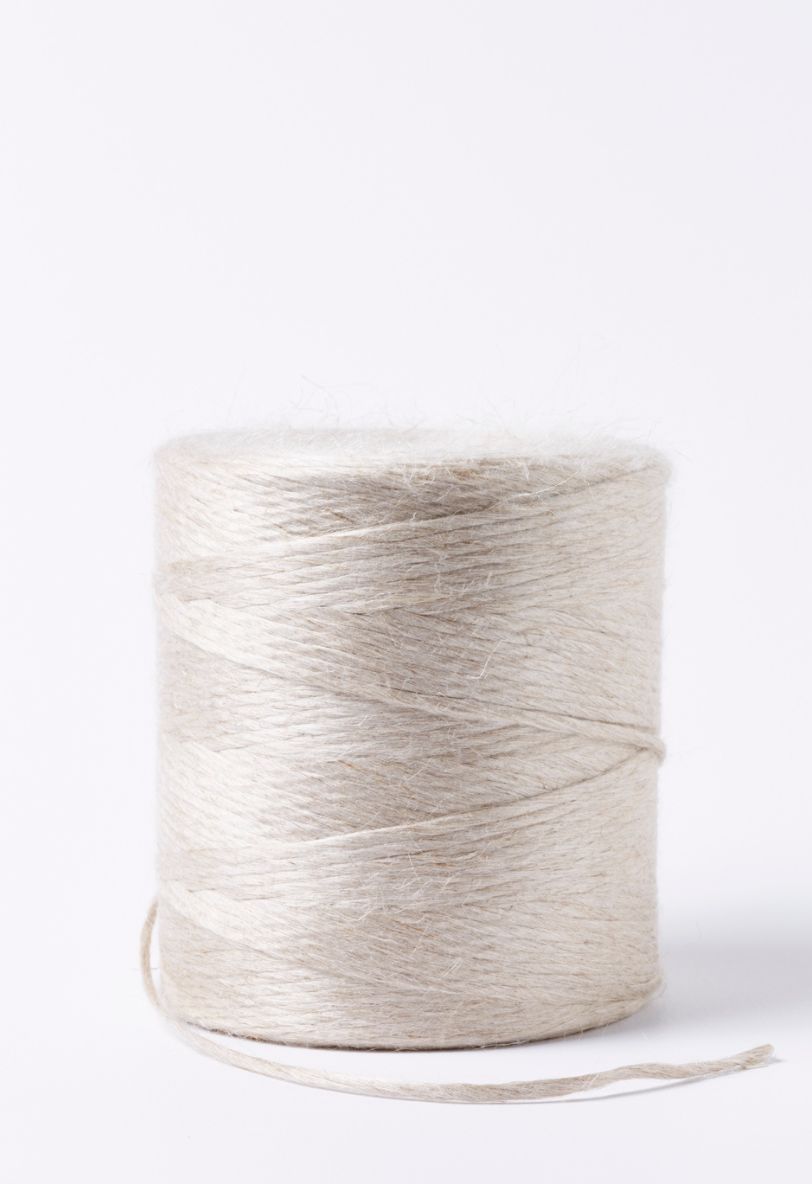 Safilin
Hemp between architecture, construction and interiors
Alongside Flax-Linen, European Hemp is also expanding its presence in building, architecture and interior design. Already used in hempcrete, panels and insulation for its thermal properties and ability to regulate humidity, it is now making its way into a new generation of composite materials.
Hemp: a high-performance natural material
- BastWave: Hemp between architecture and interior design
Developed by Margent Farm using Hemp nonwovens supplied by EcoTechnilin and combined with a bio-based resin, the BestWave
corrugated panels demonstrate the potential of bio-based composites for architecture and interior applications.
Lightweight, rigid and durable, they highlight the natural texture of plant fibres and can be used both as external cladding and in interior applications. They have notably been implemented at the Young V&A Museum in London.
- Hemptile: Hemp reimagines façade coverings
With Hemptile, NPSP is exploring the potential of European Hemp for roofs and façades. This bio-based tile combines Hemp fibres with a bio-based resin using a high-pressure moulding process. Lighter than a traditional tile while covering twice the surface area, Hemptile demonstrates how Hemp can help rethink conventional building materials through design and innovation.
From floor to ceiling: solutions for the home and interior architecture
From flooring and wall surfaces to furniture and textiles, European Flax-Linen and Hemp can respond to the technical and aesthetic requirements of professionals. Textures, patterns and colours offer architects and designers a broad range of possibilities for creating spaces while meeting expectations for strength, comfort and durability.
Flooring
- Tarkett linoleum illustrates the search for flooring solutions incorporating natural and bio-based materials. Made from a range of ingredients, including Flax-Linen, it combines performance and creativity.
Wall coverings, insulation and construction
- IsoHemp offers hempcrete solutions combining hemp shiv and lime, while Biofib develops a range of plant-fibre insulation products, including Biofib’Chanvre. These solutions harness the thermal and hygroscopic properties of Hemp to contribute to indoor comfort.
Design, furniture, objects and composite materials
Flax-Linen and Hemp are increasingly establishing themselves as materials for furniture, objects and design, thanks to processes that make it possible to combine their technical and aesthetic qualities.
Flax-Linen and Hemp: Creative Materials
- Designer and arts-and-crafts practitioner Marceau Décarsin works with Flax-Linen fibre through laminated applications, wall textiles and objects. A vase incorporating Flax-Linen fibre is among the pieces presented at the show.
- ReHemptation, explores the potential of Flax-Linen and Hemp in furniture through a collection designed using Strumber, a plant-based material developed as an alternative to wood.
- The LinStool, a stool made from a Flax-based material, highlights the fibre’s structure and visual qualities. Hemp is used in the HempStool, a stool, and the HempBean, a coffee table, whose minimalist lines reveal the material’s raw character.
These creations demonstrate that Flax-Linen and Hemp can be much more than functional materials: they can become an integral part of the language of design.
Circularity is also opening up new possibilities
- Italian start-up Sylfib, specialising in the recovery and recycling of natural-fibre textiles, is developing solutions that transform Flax-Linen and Hemp textiles into paper or biocomposites, notably for high-end applications. This approach helps extend the life of the material while opening up new uses for textile fibres.
- Developments by Bcomp, Circular Structures and EcoTechnilin illustrate the growing diversity of composite solutions available: panels, technical textiles, structures and finished components all offer possibilities for designers and architects looking for materials that combine industrial performance, functionality and aesthetic expression.
Textiles Expertise
European Flax-Linen also remains at the heart of the work of numerous upholstery and interior textile manufacturers. Among them, Pierre Frey and Mark Alexander, ambassadors for the Masters of LINEN™ certification, as well as Elitis, Issé, Casamance, C&C Milano and De Le Cuona, incorporate Flax-Linen into collections for upholstery, curtains, sheers and wallcoverings.
Flax-Linen & Hemp as materials of expression for designers
From textile to material, European Flax-Linen and Hemp are moving into new territories without losing their identity.
One of the key messages emerging from the innovations presented at Rendez-vous de la Matière is that plant-based fibres can meet demanding technical requirements while also becoming materials for creative expression, helping shape the aesthetics of new projects.
Panel discussion: “Flax-Linen, from raw fibre to the designer’s gesture”
The Alliance is also hosting a panel discussion exploring the journey of Flax-Linen from raw fibre to design, around the following question:
How can a resource rooted in European territories become a global language, capable of inspiring a new generation of designers seeking a material whose origins can be told?
The discussion will bring together Valentin Bayoud, winner of the Grand Prix Design Parade Van Cleef & Arpels 2026 – Interior Architecture for Aqua Primitiva, and Bruno Pech, Innovation Project Manager – Alliance.
Thursday 9 October at 2 pm – Conference Area
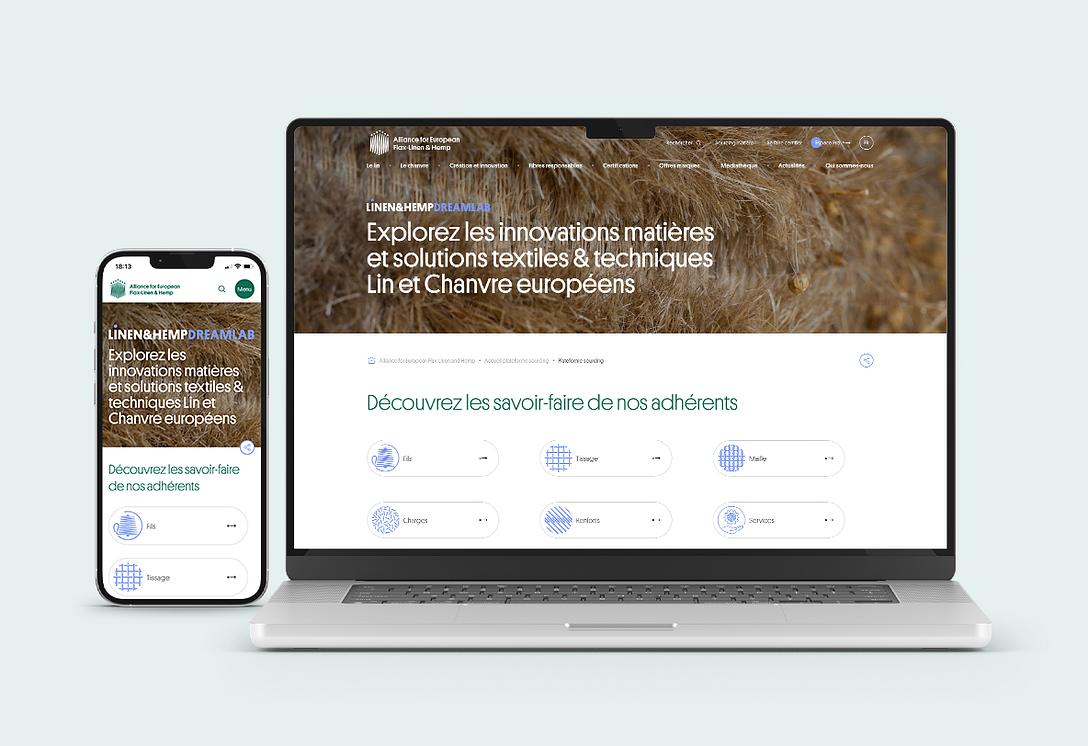
Beyond the Rendez-Vous de la Matière events, in order to support connections between designers and manufacturers in their projects throughout the year, the Alliance offers a showroom and an online sourcing tool that allows users to discover its members' creative textile materials and innovative technical solutions in European linen and hemp for the fashion, home and composites markets.
Les Rendez-Vous de la Matière fair (by FORMAE) - 12th edition
8 and 9 october 2026,
Carreau du Temple - 4 rue Eugène Spuller 75003 Paris
Read also
-
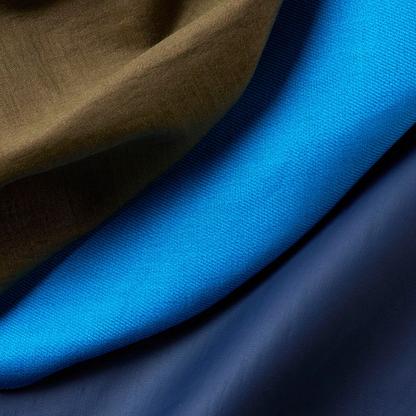
Linen Fabrics: Lineaesse Tessuti, Riopele Texteis, Texmoda Tessuti Read morePremière Vision Paris 2026: European Flax-Linen and Hemp showcase their innovations for Autumn-Winter 2027–28
-
© Boris Cojean Read more- Home
Design Parade 2026: Six Finalists Champion the Creativity of European Flax-Linen in Their Projects