Process Guide: to the manufacture of European Flax and Hemp composites
March 20, 2026
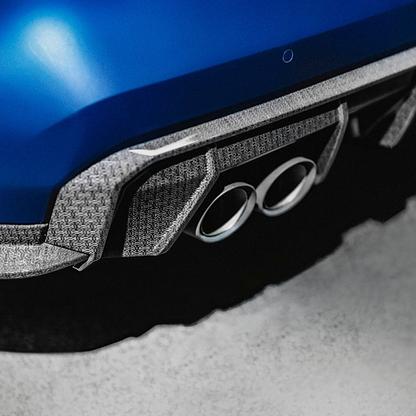
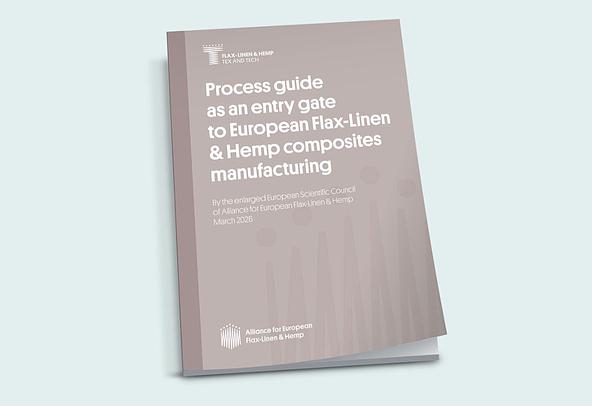
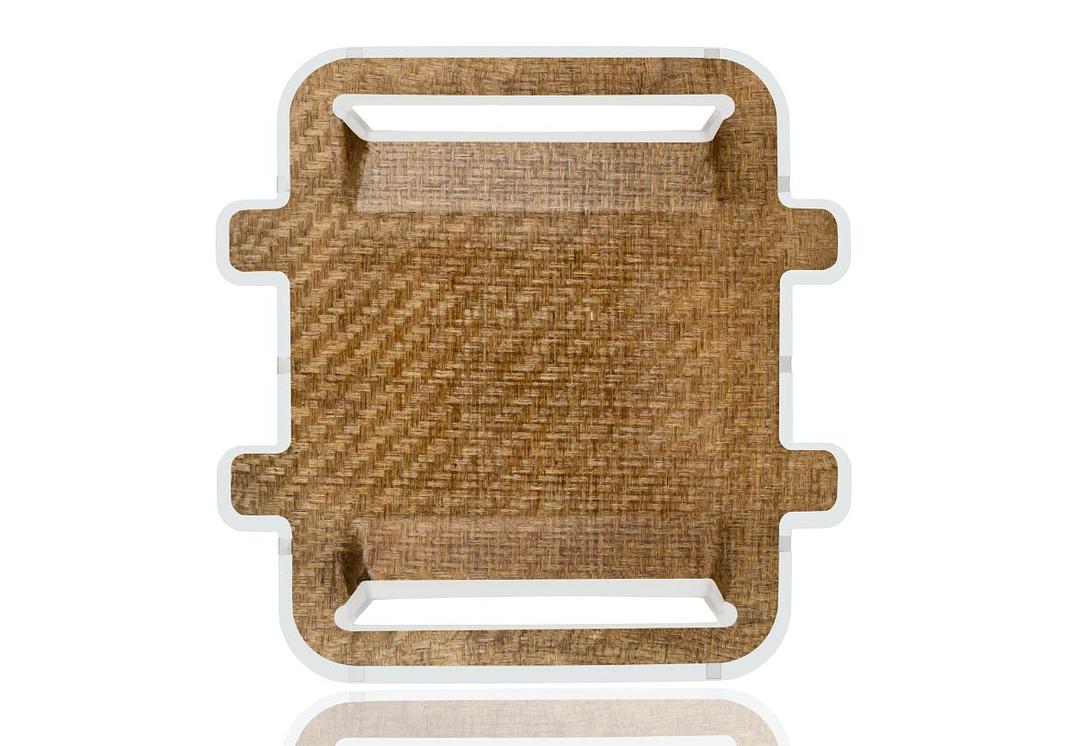
The Alliance for European Flax-Linen & Hemp published a practical guide to help industry professionals integrate European Flax and Hemp fibres into composite materials, with control over temperature, humidity, pressure and processing time.
 © DEMGY
Drafted by the Alliance’s extended European Scientific Council, this document provides hands-on support for manufacturers and researchers seeking to incorporate European flax and hemp into composite applications. The guide is designed as a technical entry point for professionals looking to initiate, secure or structure projects involving flax and hemp based composites.
It is primarily intended for composite material manufacturers and laboratories that are not yet fully familiar with the properties of these natural fibres. It may also be of interest to more experienced manufacturers, helping them avoid common pitfalls and challenge certain misconceptions regarding the technical viability of flax and hemp.
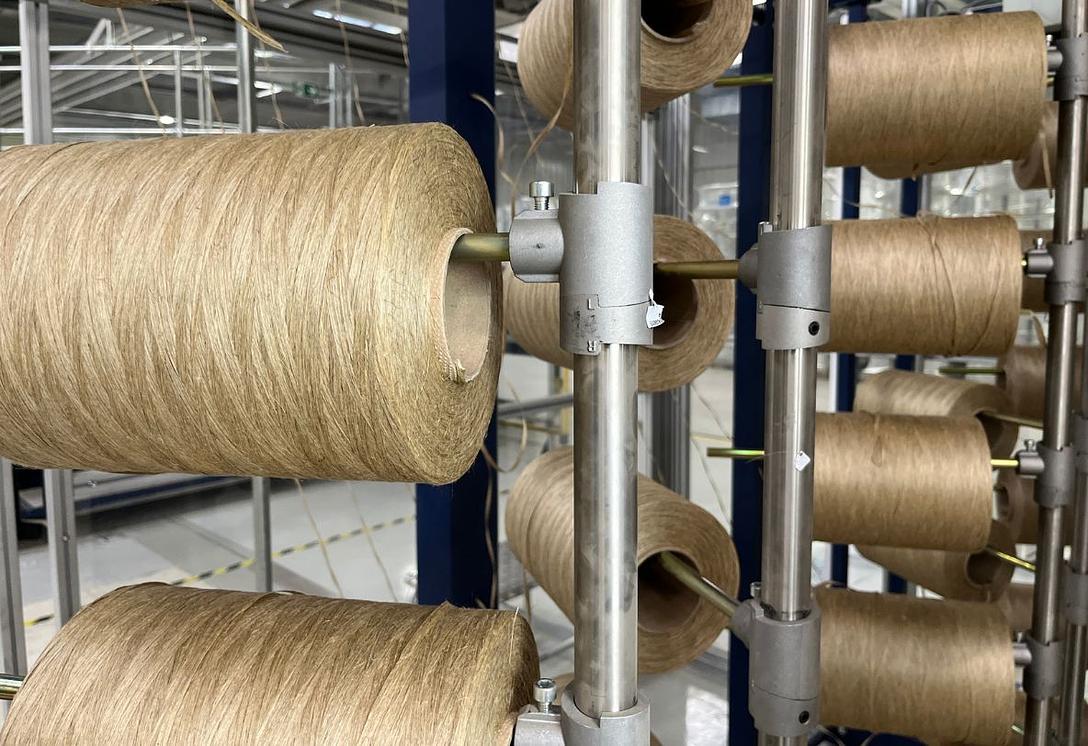
Contrary to some prevailing assumptions, flax and hemp fibres can be used in the composites industry as genuine engineering solutions. The guide highlights in particular that a successful flax or hemp based composite relies on an inseparable trio: fibre, matrix and process - supported by the expertise of growers, spinners, weavers and processors within the Alliance and its partner network.
The use of these fibres requires careful control of several interdependent parameters: temperature, pressure, processing time and moisture content. Excessive heat may degrade the fibres, while high moisture levels can lead to defects in the finished material. Pressure, along with resin flow behaviour, is also critical. In addition, straightforward precautions can significantly improve the quality of manufactured parts: appropriate storage, properly protected surfaces and well-executed finishing operations.
This first section (“Processing Windows”) establishes practical reference points. It is neither an exhaustive scientific review nor a comprehensive engineering manual, but rather a pragmatic document intended to support initial implementation - helping users understand key steps, technical sensitivities and operational limits in order to inform decision-making.
 © GreenBoats
Read also
-
Linen Fabrics: Graziano, Libeco, Siulas Read moreThe Alliance showcases European Linen and Hemp Innovations - FW 2027–28 at Milano Unica