Decathlon: a Flax-Linen cycle satchel that tells the story of the supply chain
September 02, 2026
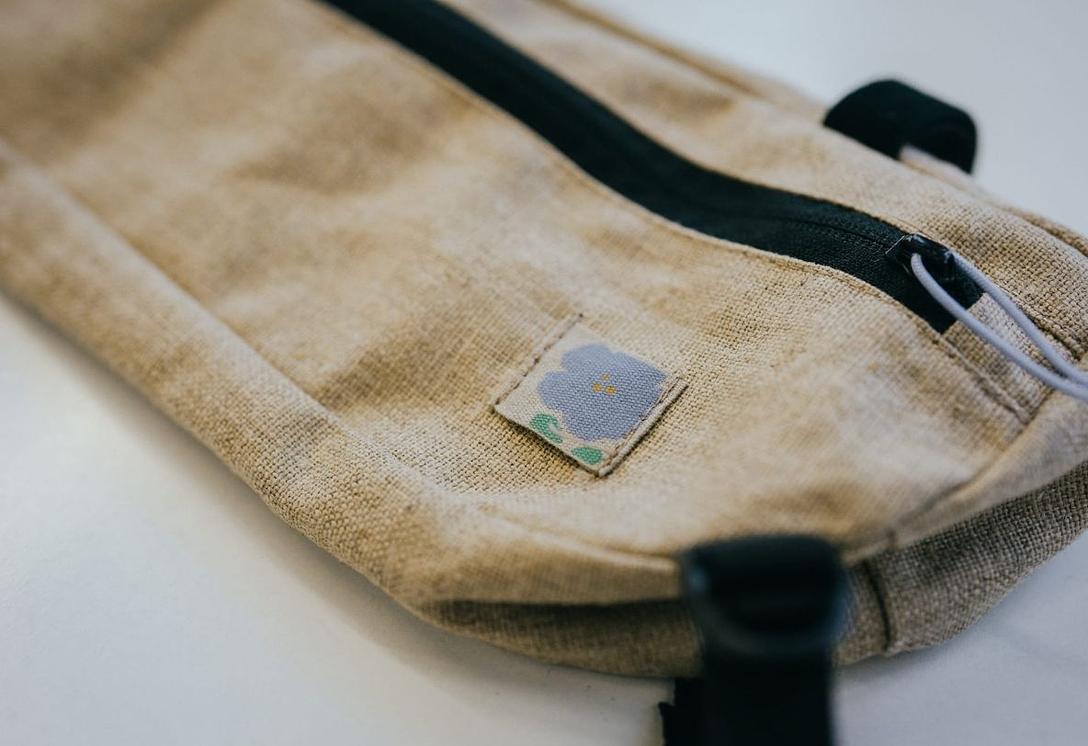
With its new European Flax-Linen cycle bag, Decathlon is exploring a different approach to designing a technical product. The brand brings together natural materials, European craftsmanship and local manufacturing. Discover the story behind this bag, which tells the tale of an entire supply chain.
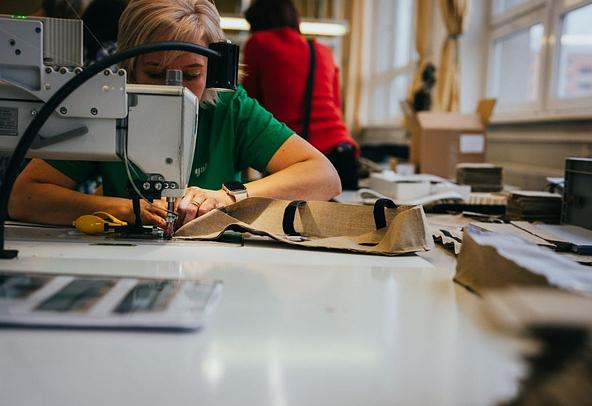
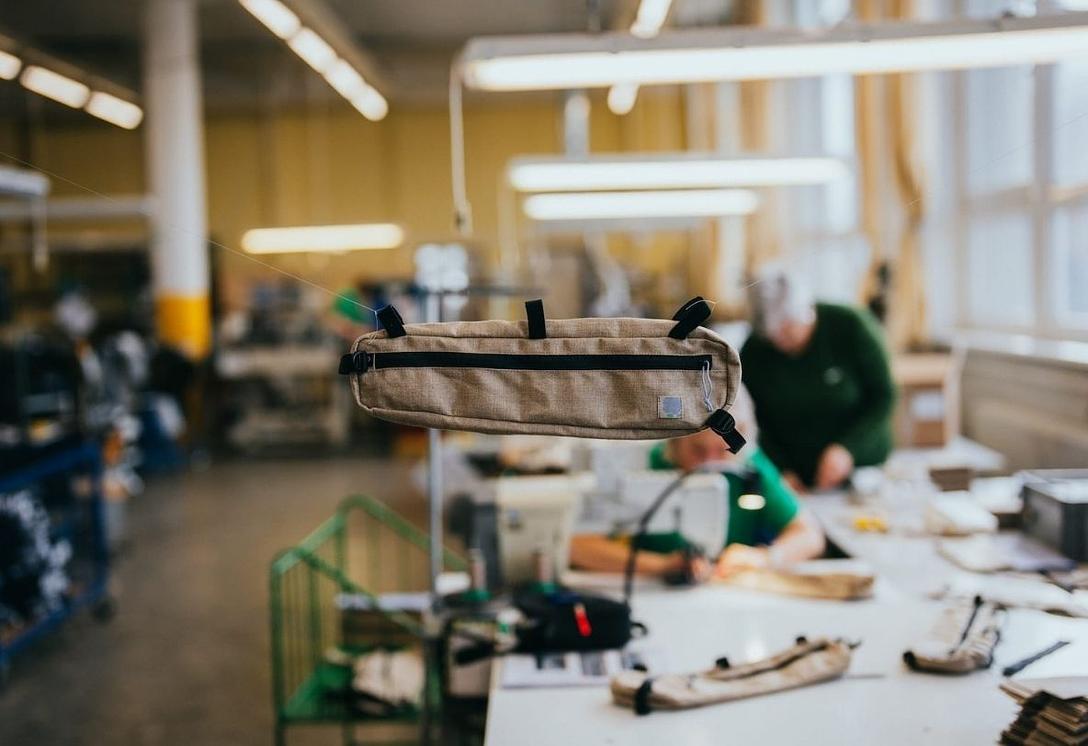
To develop this flax-linen cycle satchel, the Decathlon teams chose to step outside their usual practices and follow a journey with flax-linen from its origins through to the finished product.
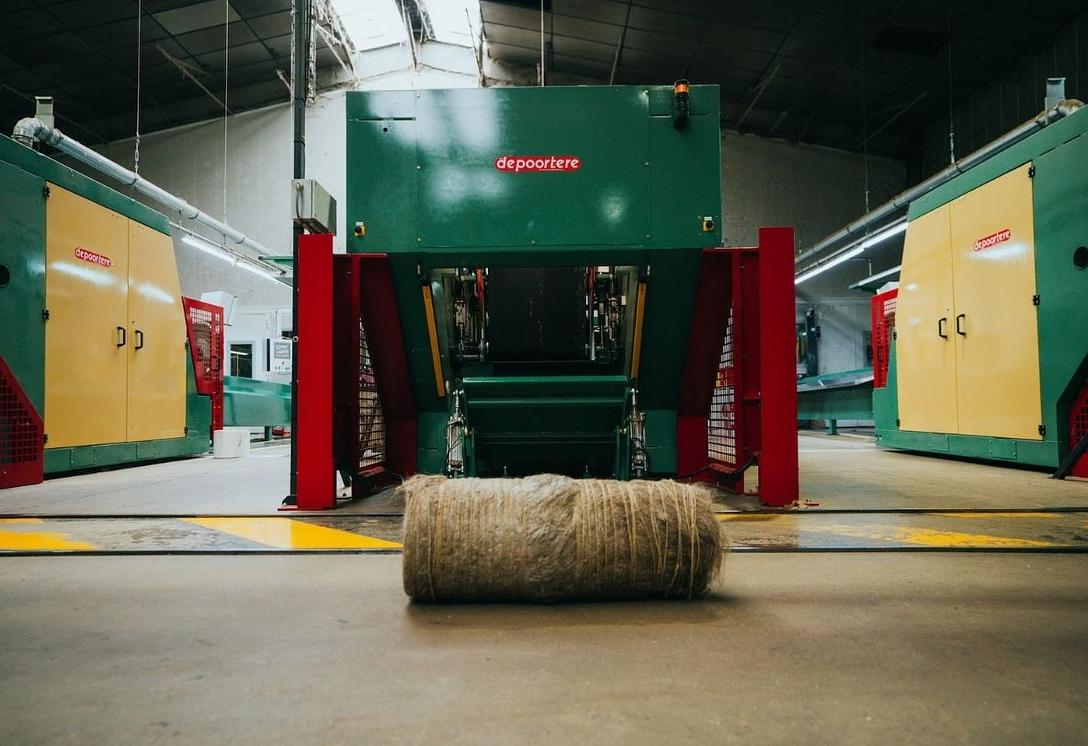
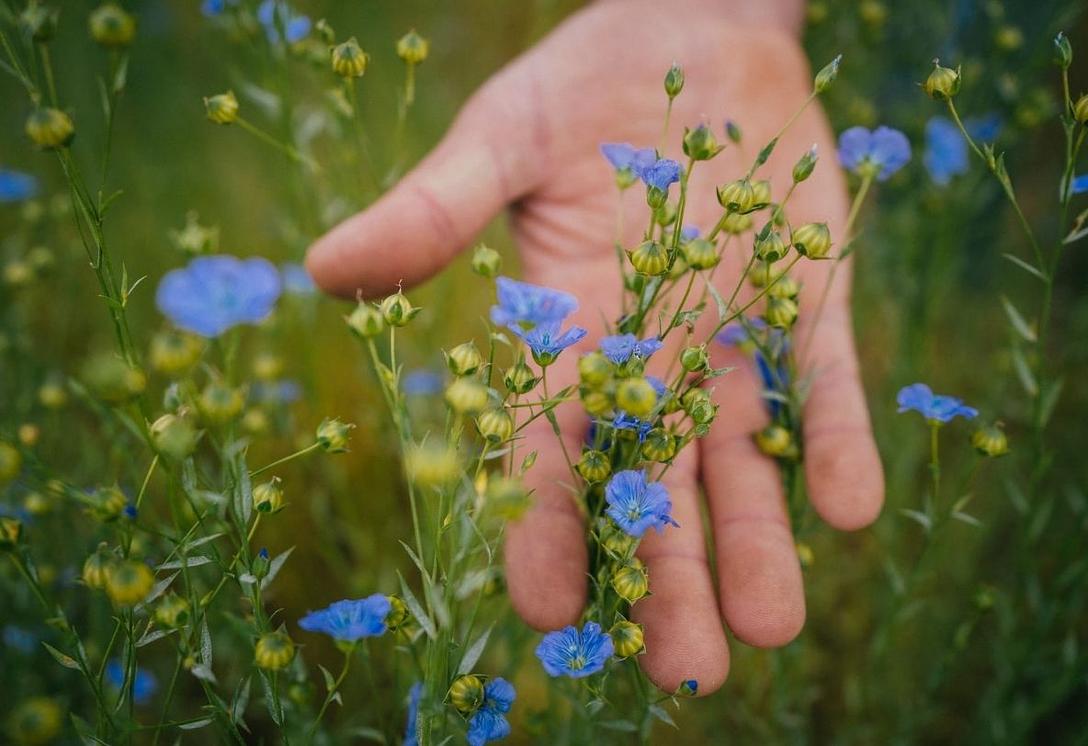
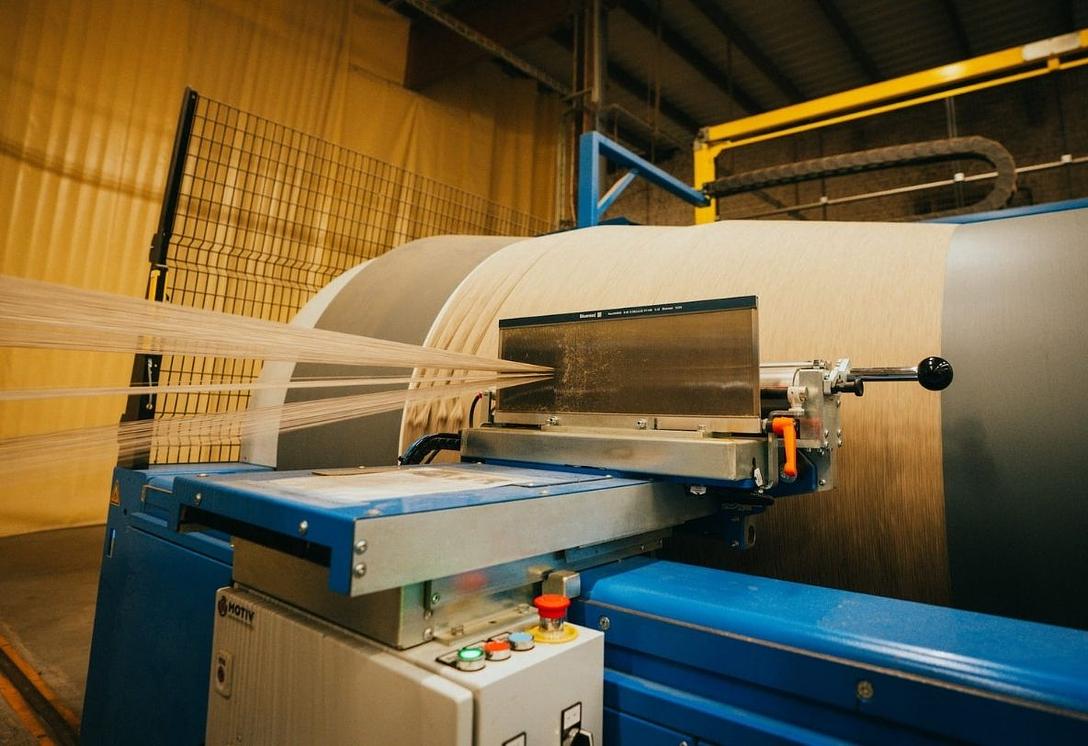
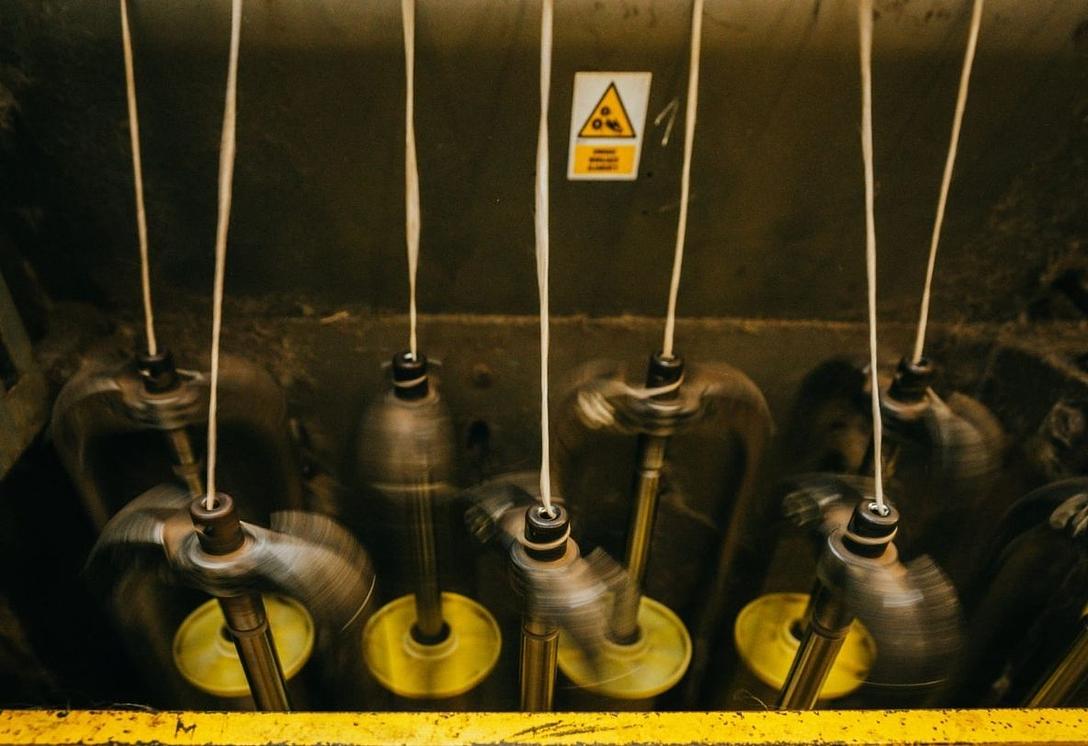
From the flax plant growing in fields in Normandy and the Netherlands to final assembly in the Czech Republic, Decathlon chose to trace every stage of the process in order to better understand and document its product. Scutched in France, spun in Poland and woven in the Hauts-de-France region, the flax-linen used for the bag is part of an entirely European production chain. This approach puts the flax fibre at the heart of the project, both for its qualities and for the expertise brought together throughout the process.
This journey also gave the teams the opportunity to gain a deeper understanding of a material they were less familiar with, meet the people working across the sector and place traceability at the centre of the project. They discovered a fibre closely connected to local territories and long-established expertise. The experience also changed the way they looked at the product. Beyond the bicycle bag itself, Decathlon now wants to shed light on flax, its journey and the expertise encountered and involved at every stage.
The project demonstrates that a technical product can also be made using a natural fibre and through European manufacturing.
Watch the video to discover the story behind the Decathlon Flax-Linen satchel
An interview with Guillaume Gorriquer - product engineer at Decathlon
 Decathlon
Alliance : Why did you choose Flax-Linen as the raw material for the Decathlon cycle satchel ? What sets it apart from the other textile materials you use at Decathlon?
GG : Flax-linen was the best choice for using a locally sourced fibre, with a lower CO₂ impact, strong style credentials and expertise that is still firmly established in France.
In all these respects, it differs from the fibres we usually use for our bicycle bags, mainly polyester and polyamide. These fibres are derived from petrochemicals and produced in Asia.
Why did this natural material make sense for your project? What were the main drivers — aesthetic, technical, its properties or the values associated with Flax-Linen?
Beyond the points mentioned above, we were drawn to the regenerative nature of flax-linen cultivation and the long-standing expertise found in neighbouring countries.
Why was it important for the Decathlon teams to go into the field, in the regions where Flax-Linen is grown?
Offering a flax-linen cycle satchel at Decathlon meant stepping outside the beaten track and beyond our usual comfort zone. We felt it was essential to gain a better understanding of this fibre and of the people who work with it. It also allowed us to highlight the traceability and highly local nature of flax. Finally, it gave us the opportunity to tell the story of this bag, from the fields through to final assembly.
What did you discover about flax-linen as you followed the sector, from the fields to the finished bag?
Everything! From the fleeting nature of the flax-linen flower to weaving techniques, we learnt a great deal, and every discovery reinforced our desire to work with this fibre.
How did this journey change the way you communicate about your product?
It convinced us to focus our communication primarily on flax-linen and its production chain, rather than on the satchel itself.
 Decathlon
Beyond the product itself, what message do you want to convey through this European Flax-Linen cycle satchel?
In the current context, and in the decades ahead, we will face increasingly scarce oil resources, so it is important to find alternatives quickly. We wanted to demonstrate that it is entirely possible to bring technical, attractive products to market, with a more virtuous approach, while carrying out every stage of production in Europe.
Do you think your approach with this bag could inspire other projects incorporating European Flax-Linen at Decathlon?
That is our greatest wish, and we are working towards it.
Flax-Linen frame bag for bikes, 2.5-litre capacity, 2 zipped pockets, 1 external pocket for rubbish. Made in Europe. Rockrider – Decathlon €49.99
See also: The Alliance’s retail partnerships